Herbal Cure for ill Nairobi

The use of herbal plants to treat disease and enhance general health and well being have a special place in African history. Long before the colonial man restructured and assimilated us into practicing ‘western medicine, natural remedies administered by the local medicine man were the answer to my ancestor’s health issues.
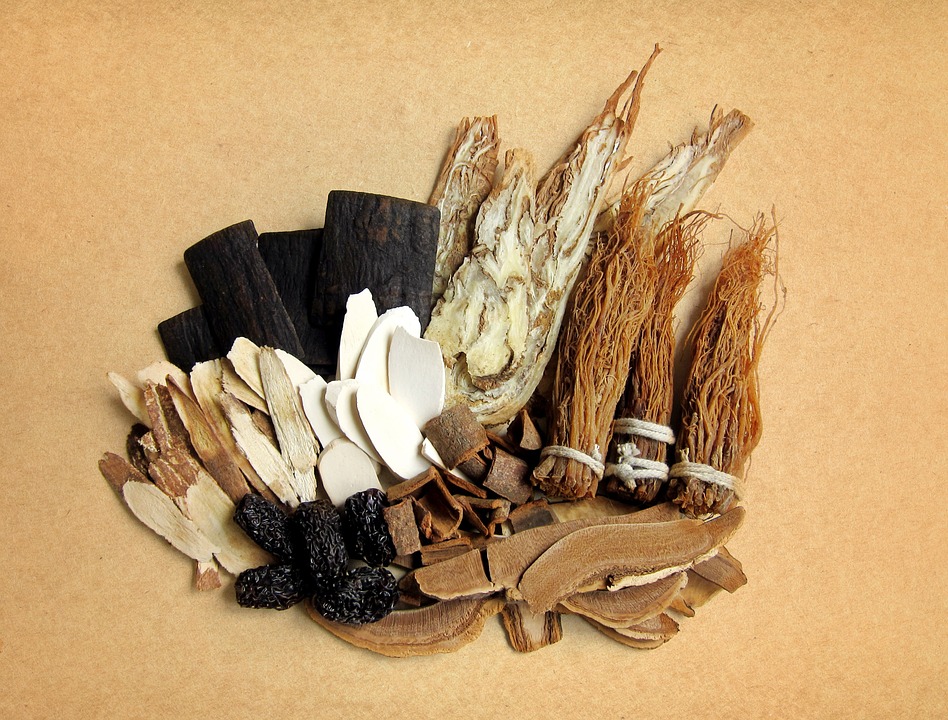
vivi @ pixabay

In recent decades, traditional remedies have grown to be a cost effective, balanced and moderate approach to healing with over 80% of the world relying on them for some sort of primary healthcare.

Africa has not been far behind in this ‘boom’, as the traditional medicine industry is now revived. Knowledge of the use of these herbal supplements has been handed down from generation to generation .The demand for herbal remedies is growing especially in Nairobi

Businesses with natural supplement products and information on herbal remedy are popping up in Nairobi, including the newly opened “Herbal-Nurse”on Alfalfa St. owned by Charlie Muiya , a pharmaceutical businessman in Nairobi.

Why herbs?

  • Herbs are high in antioxidants with chemo-protective properties that can fight damage to DNA.
  • They are easier to obtain and more cost effective than prescription remedies.
  • They strengthen the immune system and stabilize hormones and metabolism.
  • They are more natural than drugs hence enhance healthier living.

How effective can natural remedies be?

Many ‘Nairobians’ who’ve been dependent on natural supplements to cure their ailments swear that they are really effective, reason being all the ingredients are from nature i.e. no harmful properties exist.

A large percentage of the populations in developing nations depend on traditional remedies as the only available, accessible and affordable means to health care.

The importance and potential of herbal remedies has also come to be recognized by African governments. Policies and regulatory frameworks to ensure the efficacy, safety and quality of traditional medicines have been formulated.

Institutions such as the Kwame Nkrumah University of Science and Technology in Ghana, have established a Department of Herbal Medicine to train herbal medicine specialists and to provide continuing education for Traditional Health Practitioners.

Medical professionals are now coming to the realization of the great value in herbal remedies. In Nairobi, the need has been identified and pharmacies have sprung up to cater to this demand.

‘Herbal-Nurse’ to the rescue !

This newly opened pharmacy on Alfalfa St, Nairobi City Center, has revolutionized the industry by implementing digital marketing tools that improve the consumer’s buying experience. They understand the many questions a new customer may have on matters concerning health.

One can now visit the Herbal-Nurse website or download the app and ask ‘Mondo’ their customer care bot anything they would want to know about herbal remedies and he will gladly inform you 24/7.

With a wide range of treatment products containing herbs like:

  • gingko biloba – used to treat poor blood circulation.
  • hypericum – an effective antidepressant used to treat anxiety and insomnia.
  • echinacea – stimulates immune system and aids body in fighting infection.

Google their Nairobi location, and pay a visit or :

click here to visit the Herbal-Nurse website

E-Commercialisation of a ‘Hustler Nation’ for Job Creation

Lukas @pexels.com

I believe that consistent creation of jobs is essential  for a nation’s economy to thrive and better the lives of its citizens. My country is dubbed a ‘hustler nation’, simply because business flows in the veins of the people.

The informal sector, from juakali ,to food vending stalls on the streets,to matatus ,to rickshaw transportation (mkokoteni) etc, experience exponential growth credit to the determination in those hard working hearts that bleed ‘hustler’.

Unemployment Chaos

Unfortunately, unlike the formal sector whose GDP per capita numbers currently stand at $1,169 monthly, the informal sector are cheap laborers who on a good night will average a take home of $5 to $7 dollars daily ($250 monthly tops).

Instead of pointing blame on why this great gap between the rich and the poor is ever increasing, I prefer coming up with solutions to alleviate this issue.

Thanks to the digital revolution that has now taken root in this country, a large number of the population have access to the Internet which is the source of where we can find solutions to this disparity.

E-commerce Paradise

Better communication and faster delivery of goods and services between businesses would make workflow more effective and drive revenue increase across all channels.

This means that the less time it takes me to inform a seller about what me as the buyer would like and the faster I can complete the purchase, the more trade can take place on the seller side which will in-turn bring about the need for more employment across all channels to ensure a comfortable buyer experience.

Enter e-commerce, short for electronic commerce or the exchange of goods and services on a digital platform. This would speed up trade in the informal sector hence an increase in revenue to open the door for job growth.

May I add that my country boasts of the best mobile money service in the world?. Giant companies like Google are pioneers in e-commerce sites to accept this mobile money influx.

Mobile money transfer, would also expand trade in the country so that businessman A in Nairobi will be able to transact with businessman B in Mombasa in a fraction of the time it had been taking before this digital revolution. This saves time and cost and opening the door to trading opportunities with huge and untouched markets in the region.

Franchising,the Silver lining

Nairobi , Kenya is an important regional hub for technology and is in a prime position to expand e-commerce knowledge and resources to untapped areas of the Eastern Africa region.

Eastern Africa boasts of a population of over 440 Million, which is bigger than the population of Northern America.

With well thought out organisation, ‘Hustler Nation’ businesses can expand financial services and trade through our leading mobile money transfer system and e-commerce platforms to untapped markets in the region through a model that helped build great super powers like the U.S. economy to where they have reached today calledfranchising.

How can the informal sector of a 3rd world country learn from the business practices of an established 1st world like the U.S. you ask ?, hmmmm.

Let’s take an example with businessman A who owns a few ‘boda bodas’ in Nairobi for taxi purposes,and realizes there’s a vacuum of these services in his home town of Isiolo . He can secure a loan to purchase more ‘boda bodas’ for Isiolo and start the same business there.

With basic training on e-commerce, he can monitor both businesses from one portable digital platform and ensure secure money transfer just by a few pushes of a button. Next stop Moyale, and further and further into the undeveloped Eastern Africa Region bringing relief to transportation burdens where there’s demand for it.

These simple steps, if applied successfully by a small percentage of our low income ‘Hustler Nation’ can spark interest and raise awareness to businesses that subsidize them, bringing about a domino effect in the transition to a digital platform for business.

I believe the informal sector can benefit greatly and make an impact if introduced to and assisted where needed to implement an online business presence that can spur economic growth by increasing wages and securing jobs beneficial to a growing unemployed population. Any volunteers to assist our ‘Hustler Nation’?

for more info go to : www.mpowerouryouth.com